Clearstone's 150 MW Axminster BESS appeal dismissed on pollution risk
Planning inspector Helen Heward rejected the site on 13 August 2026, citing unresolved explosion and groundwater contamination risks.
By Matthias Blank · drafted with the Vantage newsroom system, approved before publication
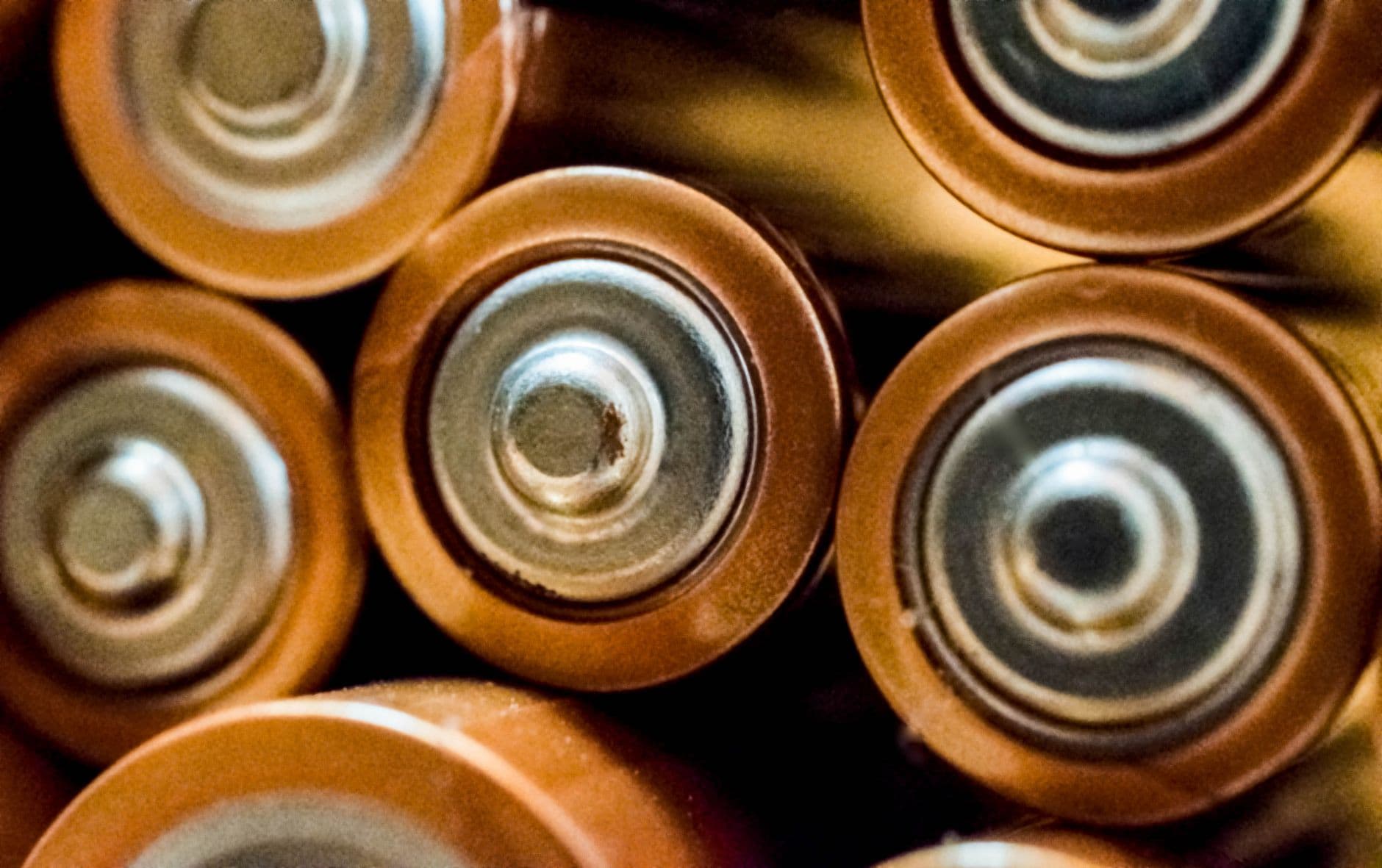
Planning inspector Helen Heward dismissed Clearstone Energy's appeal for the 150 MW Axminster Energy Hub BESS on 13 August 2026. The site, which would have used Wärtsilä Quantum 1 battery enclosures, met current fire-safety guidance. That compliance was not enough: the inspector found insufficient robust evidence that explosion mitigation measures would contain a worst-case event or prevent resulting groundwater pollution.
The distinction matters for developers. The refusal is grounded in secondary consequence risk, specifically the migration of firefighting water and chemical suppressants into the local aquifer, rather than the primary fire hazard itself. Inspectors are increasingly asking for site-specific hydrogeological modelling rather than generic fire-risk assessments, a bar that many current applications do not clear.
Separately, Harmony Energy energised its 35 MW Skeeby project in North Yorkshire, using Tesla Megapack technology, per Renews.biz. The contrast underlines the uneven pace of GB BESS deployment: some projects commissioning while others lose years to planning attrition.
Source: pv magazine
Photo by Hilary Halliwell on Pexels.
Discussion (0)
Plain text only. Be civil. Verifiable industry affiliations are coming.
Sign in or sign up free to join the discussion.
Loading…