The country that stopped promising power
Why 15,014 Dutch businesses are queueing for power they cannot have, what replaced the promise of firm capacity, and why households joined the queue on 1 July.
Reclaimed Seabed, No Connection
Almere was not supposed to be the city that ran out of electricity. It stands on the floor of what was, within living memory, the Zuiderzee: drained, pumped, ploughed and then, from 1976, built on. It is the newest large city in the Netherlands and the most deliberately planned one: every road, every district, every metre of underground service drawn on paper before a spade went in, by a state whose founding competence is engineering its way out of physical limits. The Dutch made the ground Almere stands on. Supplying it with power ought to have been the easy part.
On 8 November 2023 the municipality announced that, with immediate effect, no new electricity connections were possible in the service area of the Almere substation. Not delayed, not rationed. Not possible. The cause was not a fault or a storm. The high-voltage network feeding the Flevopolder had reached its limit, and TenneT, the national transmission operator, had formally declared the region congested almost a year earlier, on 17 November 2022. The remedy was already scoped: four transformers at the 380 kV stations at Lelystad, Breukelen, Dodewaard and Doetinchem. The year the city was told to expect power again was 2029.
Alderman Alexander Sprong put it on the record in language municipal politicians do not ordinarily reach for: *"We zijn geschokt en vol ongeloof. De stad wordt buitenproportioneel geraakt door deze situatie."* We are shocked and in disbelief. The city is disproportionately affected by this situation.
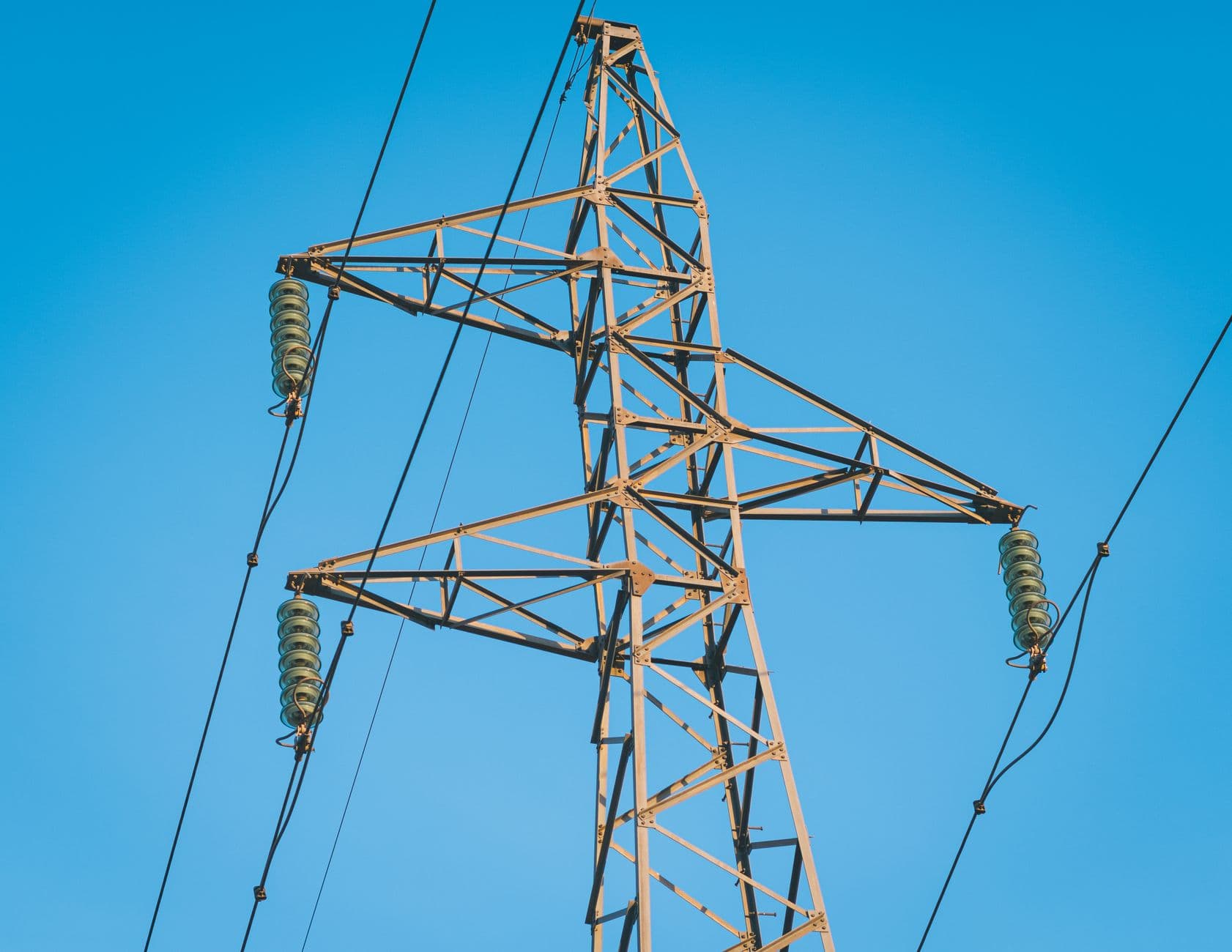
Photo by Mahmoud Yahyaoui on Pexels.
Discussion (0)
Plain text only. Be civil. Verifiable industry affiliations are coming.
Sign in or sign up free to join the discussion.
Loading…