Grid tariff design shapes prosumer flexibility in Austrian REC research
Austrian research finds tariff structure determines whether prosumers invest in flexibility across renewable energy communities.
By Matthias Blank · drafted with the Vantage newsroom system, approved before publication
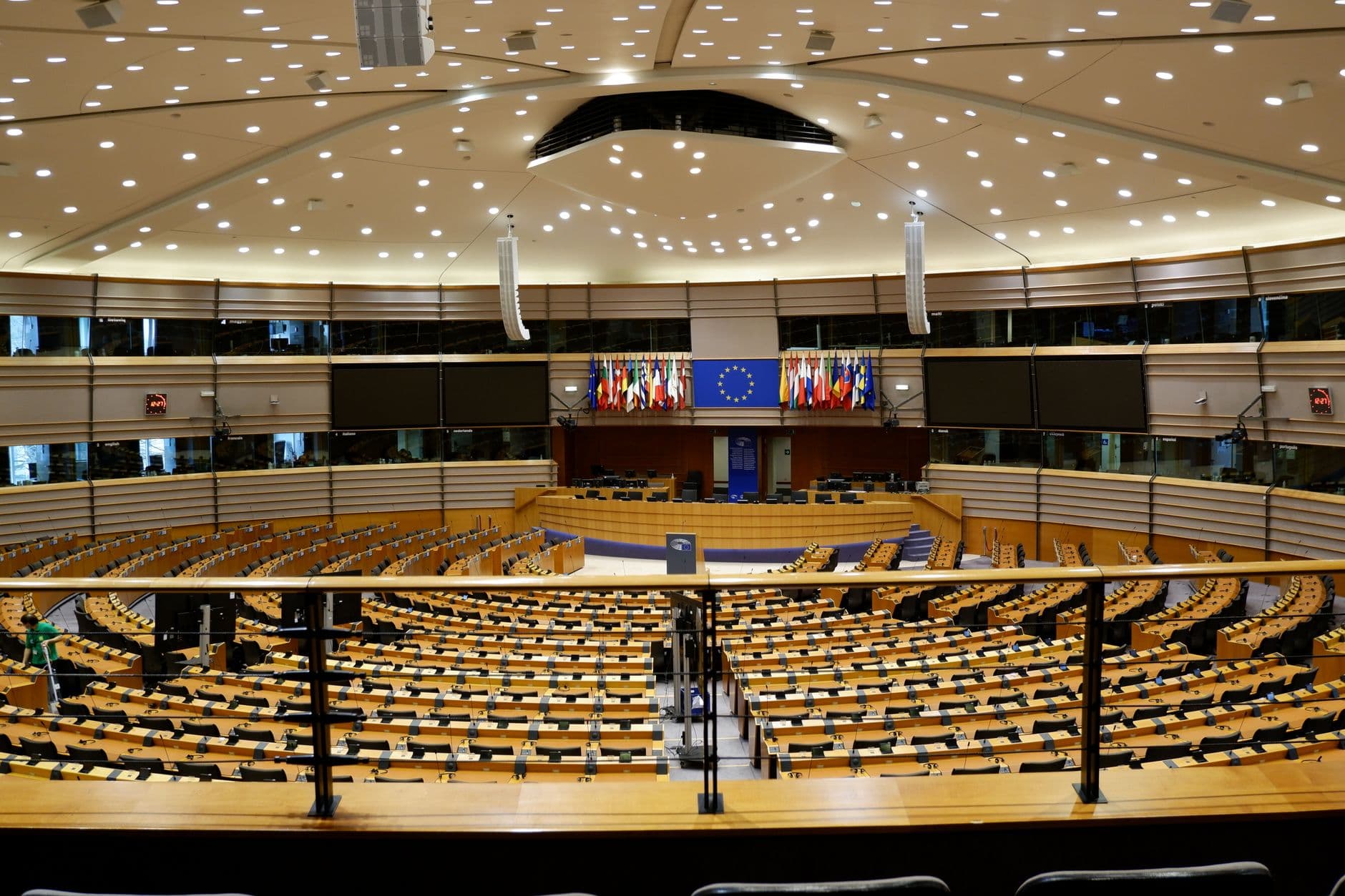
Austrian research published on 15 July 2026 tests whether grid tariff structure (specifically, tariffs with varying cost functions across zones) can push prosumers to deploy more flexibility assets when they participate in more than one renewable energy community.
The study focuses on a multi-REC setup rather than the single-community model common in current Austrian regulation. The core finding, per pv magazine's summary, is that tariff design is the decisive variable: communities using differentiated cost structures unlock investment incentives that flat or uniform tariffs do not. Exact capacity thresholds and cost differentials from the full paper are not available in the public summary.
For regulators in Austria and peer markets still transposing the EU Electricity Market Reform into national REC frameworks, the implication is concrete: tariff granularity matters as much as the community structure itself. Member states with pending secondary legislation on prosumer tariffs should note the design sensitivity flagged here.
Source: pv magazine
Photo by Jonas Horsch on Pexels.
Discussion (0)
Plain text only. Be civil. Verifiable industry affiliations are coming.
Sign in or sign up free to join the discussion.
Loading…