The new wire moved power, not price
The Minho–Galicia line lifted the Spain–Portugal flow to 5,219 MW, yet the two zones split as often as before, and Portugal paid more every time.
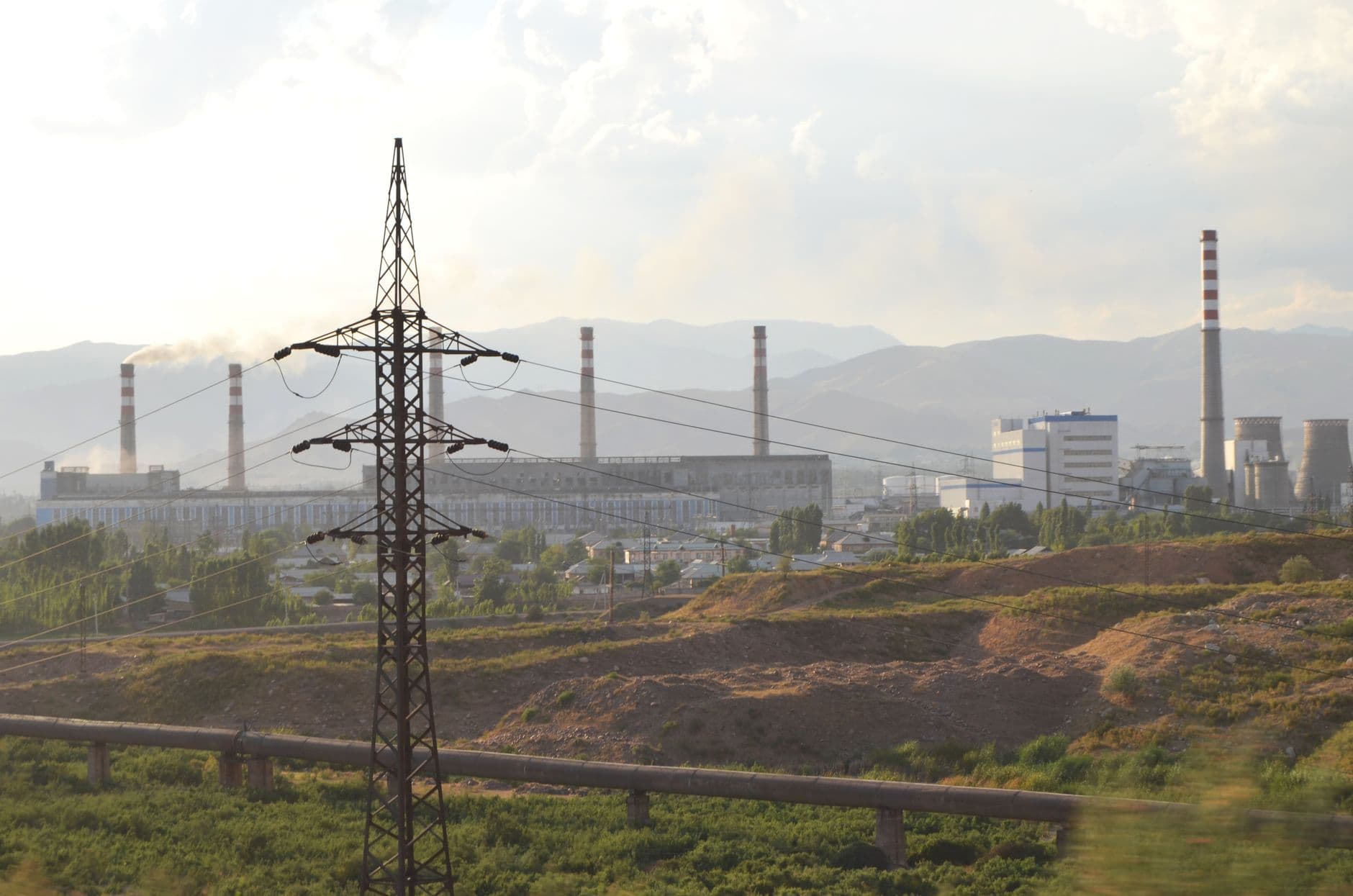
Friday, Four in the Afternoon
At 16:00 on Friday 4 September 2026, Spain was sending Portugal 5,219 megawatts, the highest hourly flow across that border since at least January 2022. That day the Portuguese zone's day-ahead price averaged 170.36 €/MWh, its highest since 5 December 2022, and the Spanish zone's averaged 169.50.
For a new power line, the afternoon looked like proof. Two months after its inauguration, the 400 kV link between Galicia and northern Portugal was doing what its promoters had said it would do. In that hour Spain was importing 2,704 MW from France, where the auction had cleared at 10.99 €/MWh, and sending more than five gigawatts west. On both sides of the border the two Iberian zones cleared as one, at 101.96 €/MWh. By 21:00 the westward flow had stopped, at minus 14 MW for the hour, and Portugal paid 252.31 €/MWh, the top of the day.
A new interconnector faces two tests. The first is physical: does power move? The second is the reason the first is paid for: do the prices at either end come together? On the first, the Minho–Galicia line has passed with numbers this border had not produced since at least 2022. On the second, it has not. In the three months after the inauguration the Spanish and Portuguese zones split as often as in the three months before it, and more often than in the same weeks of any year since at least 2022. The Portuguese zone was the dearer side in every one of those splits. Nor do the hourly data show a persistent Iberian scarcity premium over France. The wire moved power. It did not move price.
Photo by Daryana Vasson on Pexels.
Discussion (0)
Plain text only. Be civil. Verifiable industry affiliations are coming.
Sign in or sign up free to join the discussion.
Loading…