Spain's April blackout traced to overvoltage failure, not renewables alone
Investigations conclude the Iberian outage was multifactorial, exposing voltage-control gaps in a renewable-heavy system.
By Matthias Blank · drafted with the Vantage newsroom system, approved before publication
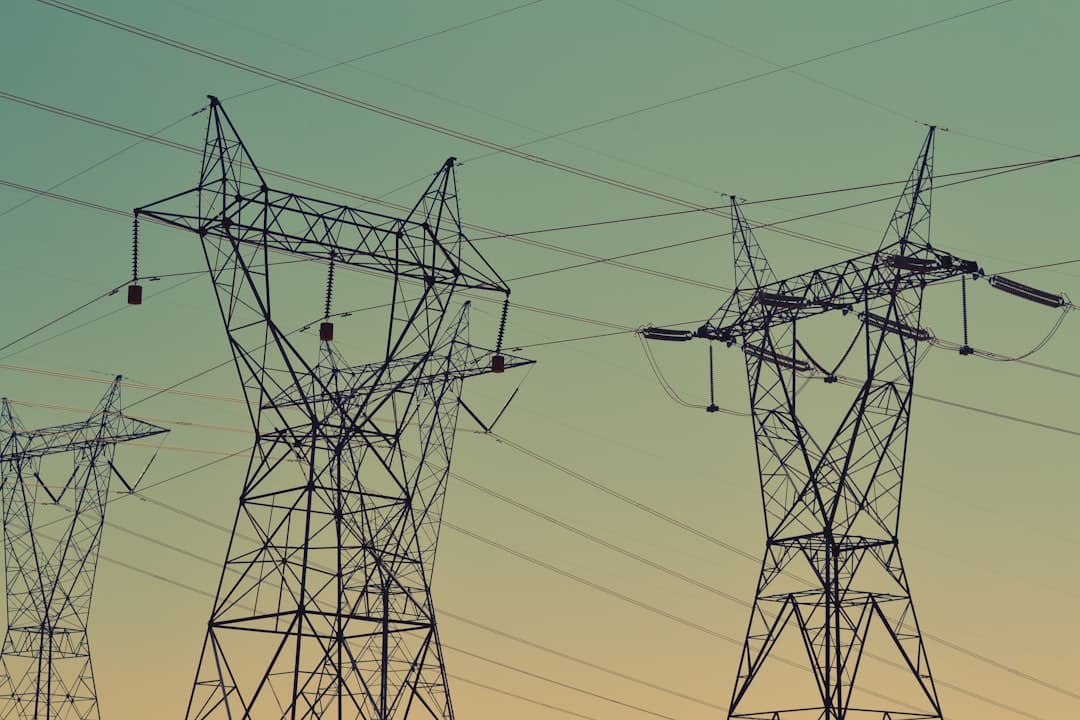
The April 2026 Iberian blackout was caused by a fast-moving overvoltage cascade, not by any single factor. Investigations concluded the event was multifactorial: voltage-control architecture failed to arrest the disturbance, grid coordination between operators broke down, and legacy operating practices were ill-suited to a system where renewables now dominate the generation mix.
The overvoltage propagated faster than existing protection schemes could respond. Per pv magazine's post-investigation account, neither a cyberattack nor renewable intermittency alone explains the sequence: the failure lay in how the system was operated and controlled under high-renewable conditions, not in the renewable assets themselves.
Both Spain and Portugal are now revising voltage-control rules and broadening resilience requirements. The regulatory response includes mandatory deployment timelines for grid-forming technologies and an accelerated roll-out of battery storage capable of providing synthetic inertia and fast voltage support.
The episode is the clearest live test to date of how a synchronous zone behaves when conventional inertia is low and voltage-support obligations have not migrated to inverter-based resources. Other TSOs operating high-renewable grids should treat the Iberian sequence as a design-basis scenario, not an outlier.
Source: pv magazine
Photo by Fré Sonneveld on Unsplash.
Discussion (0)
Plain text only. Be civil. Verifiable industry affiliations are coming.
Sign in or sign up free to join the discussion.
Loading…